
Becoming Adventure Ready
Why the best training plan is the one that lets you say yes to what excites you

For my 30th birthday last month, six buddies and I completed the Skyline Traverse, an 18-mile trail adventure that climbs five peaks in Boulder, CO.
I am grateful to not only have friends who say yes to type 2 fun, but who are adventure ready and fit enough to follow through.
What does it mean to be adventure ready?
In my mind, it means being ready to heed the call. Being prepared to spontaneously jump at an opportunity that excites you.
According to Coach Chris, there are four demands an athlete needs to be genuinely ready—for the mountains, the water, the field, the unexpected:
The Engine: power, energy delivery capacity, and relative strength
Stamina: significant output, recovered and repeated (work capacity under pressure)
Endurance: the ability to keep going when stopping becomes an option (staying in it)
Durability: don’t break (anti-fragile)
Adventure ready is built on the ordinary days, when no one is watching, so that when the extraordinary moment arrives, the answer can be a yes.
It’s a lifestyle. It doesn’t require 20-hour training weeks, but it does require consistency, which rewards you with availability and improved performance “out there.” Moving faster when speed matters. Sustaining effort when time matters. Functioning under fatigue when clarity matters.
In the outdoor environment, performance is not measured by TrainingPeaks metrics. It is measured by successful execution, event completion, safety, and longevity—so you can keep saying yes to what’s next.
Adventure ready is a framework, not a formula, and that kind of readiness is built in weekly habits and daily execution.
Reading Chris’s Substack reminded me of a conversation I had with my Better’men’t buddies at our annual men’s group retreat a few months ago.
My friend Ev, a busy dad and finance professional, said he wanted to get to a place where at any moment, he can get race ready in six weeks.
For Ev, that’s competing in HYROX competitions with his wife. For my client Ben, that’s climbing Colorado 14ers. For me, it’s racing 70.3 and Ironman triathlons.
While the goal may differ, the approach is the same—build a strong foundation of fitness. This foundation provides athletes the opportunity to go into a sport-specific block and race at a high level just 6-12 weeks later.
I’m competing at Boise 70.3 in July and the Ironman World Championship in Kona in October; however, I may decide to drop into Boulder 70.3, now a hometown race for me, next month along with three of my Forge Performance Coaching athletes.
For over a year, I’ve set floors for myself each week. These minimum goals across swimming, cycling, and running ensure consistency.
This winter, my floors were the following:
Swimming: 10,000 yards/week
Cycling: 5 hours/week
Running: 10 miles/week
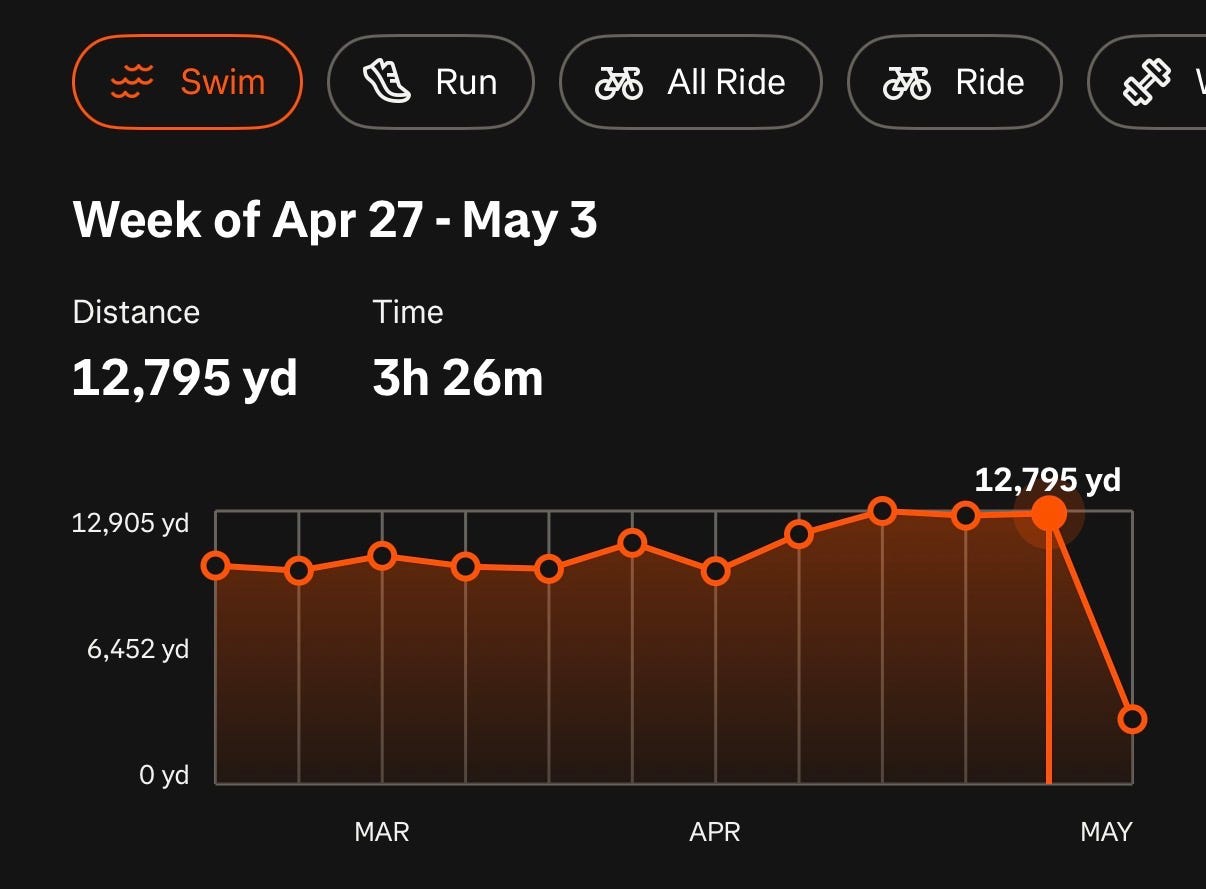
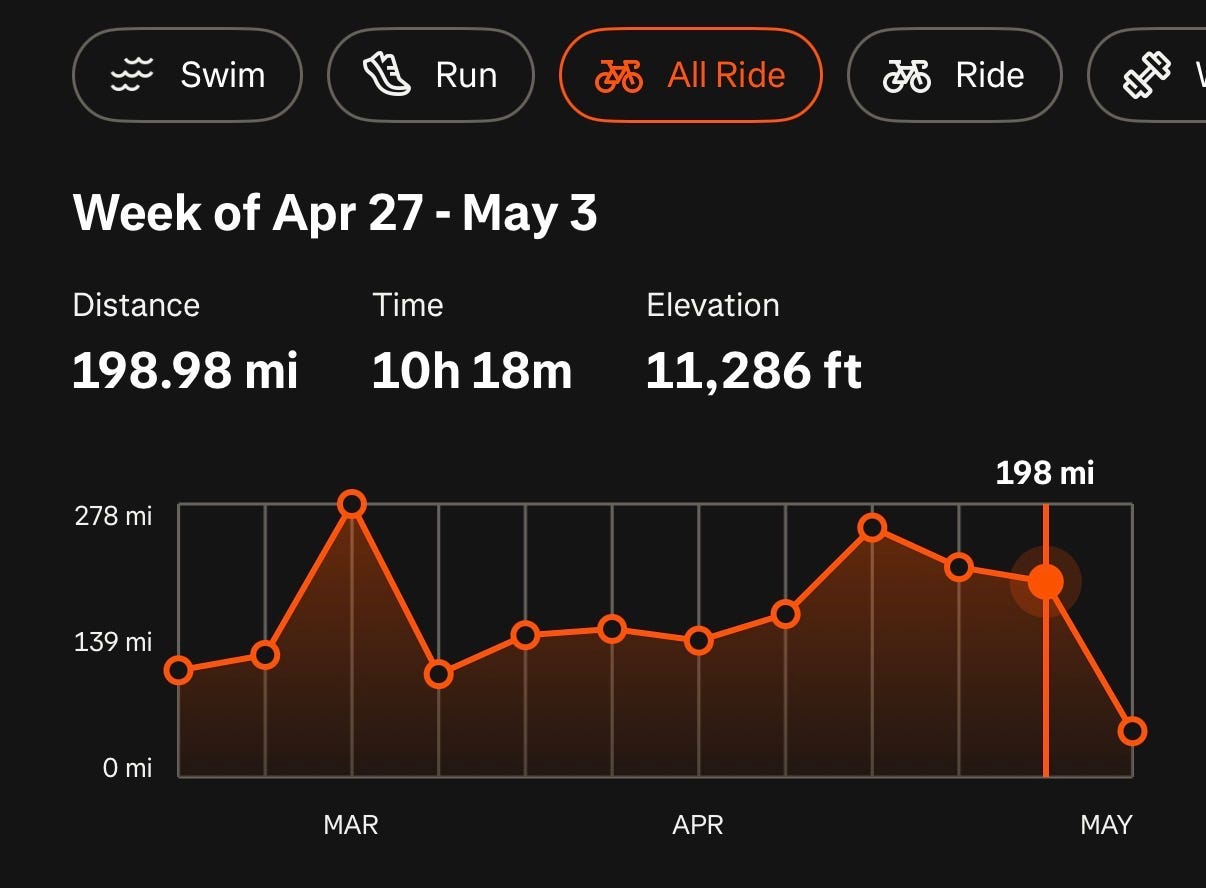
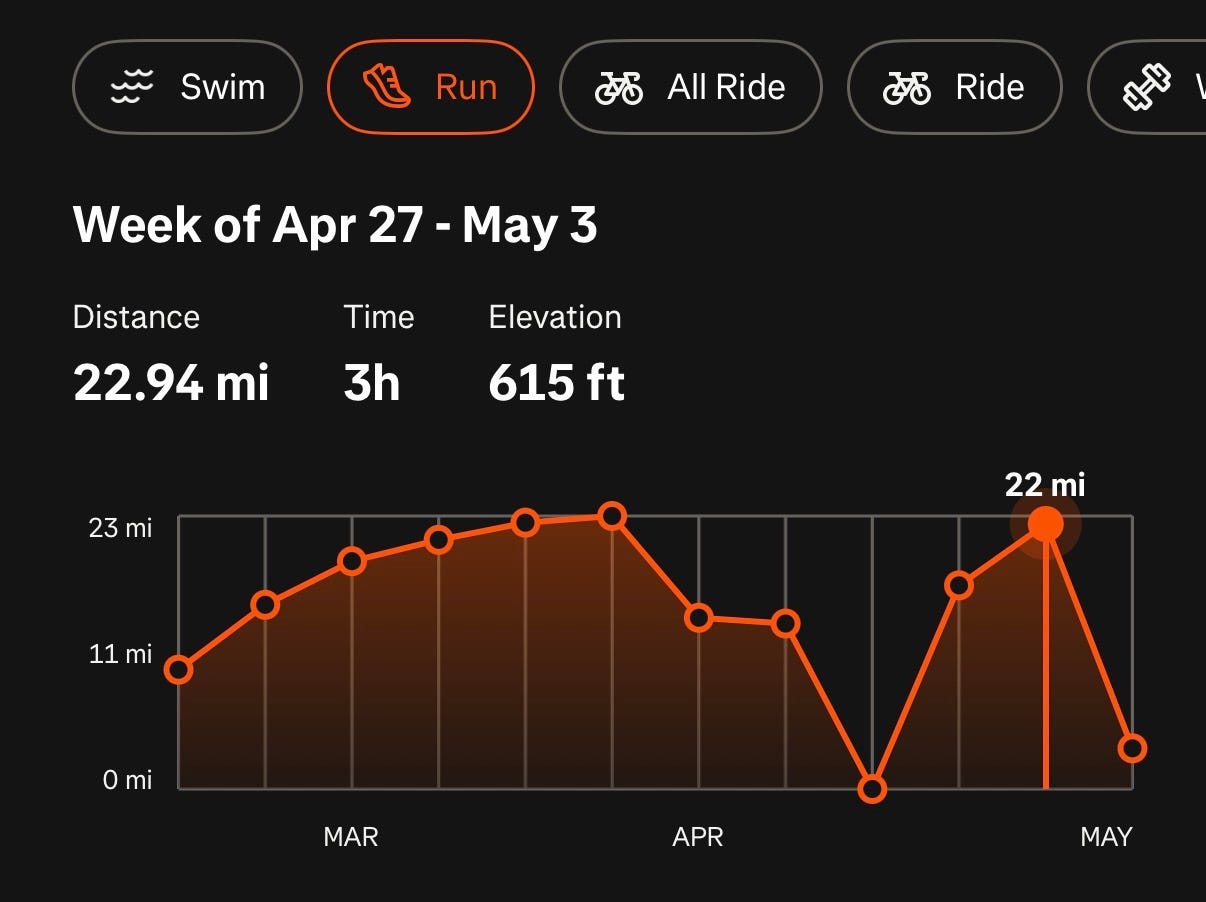
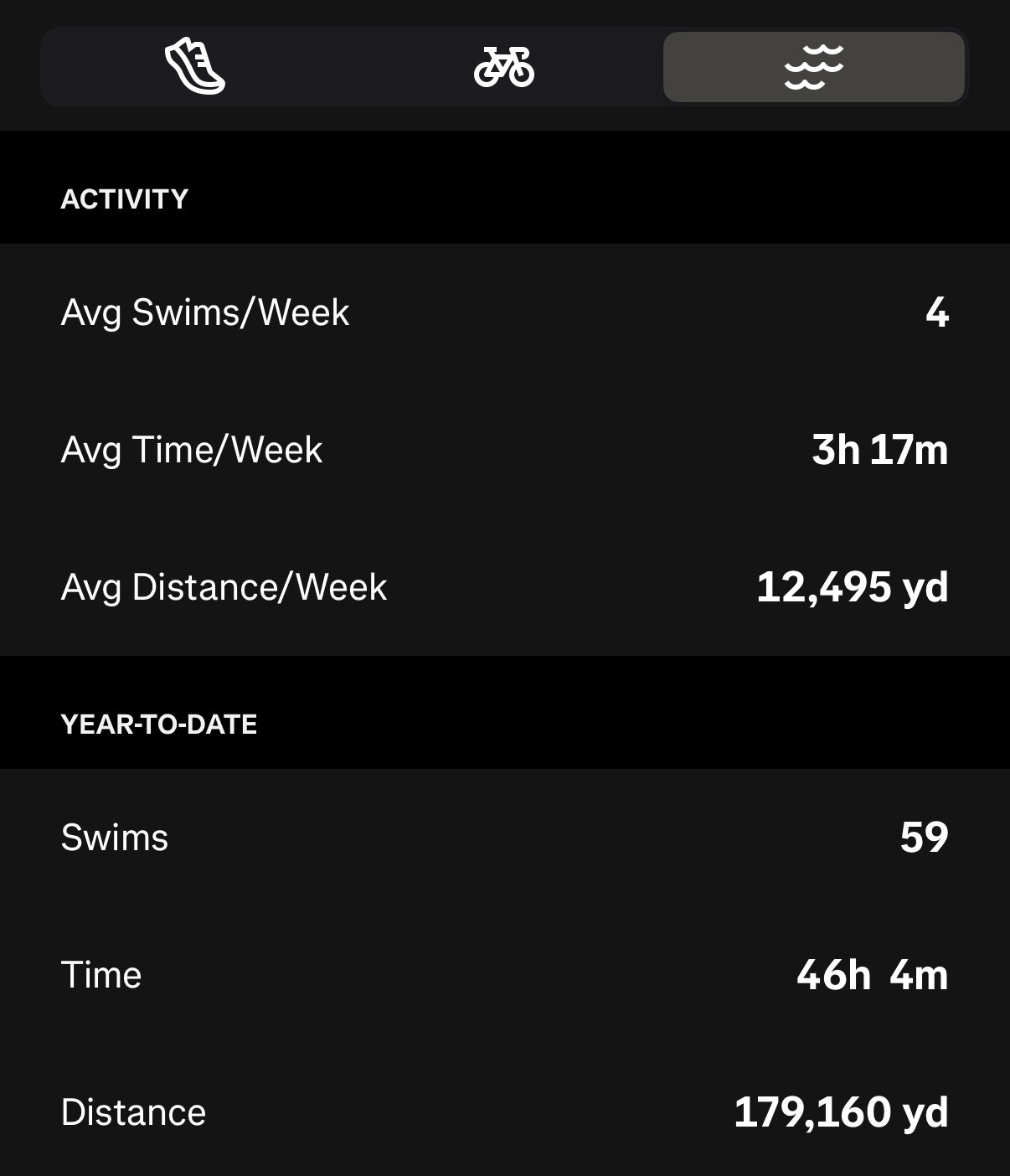
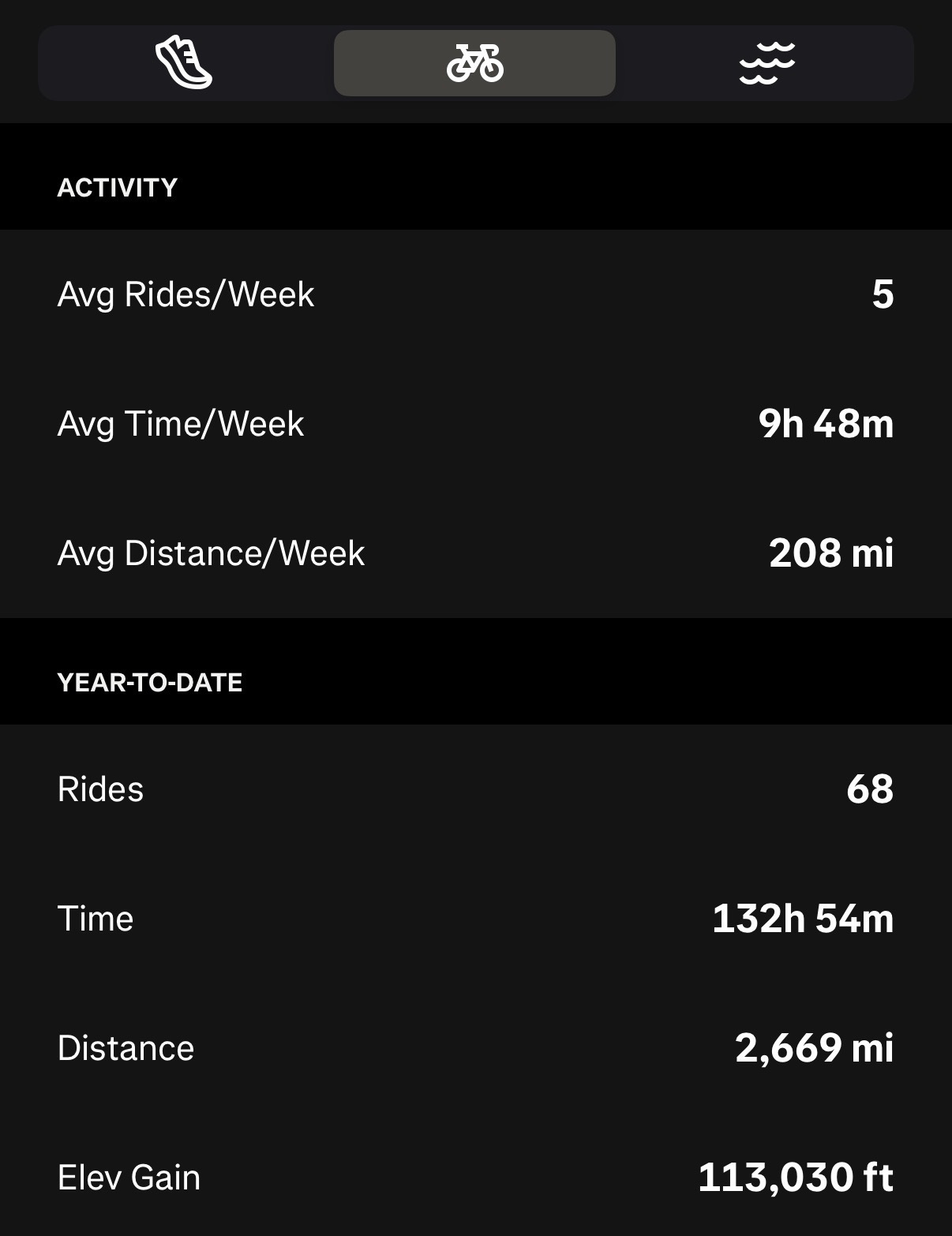
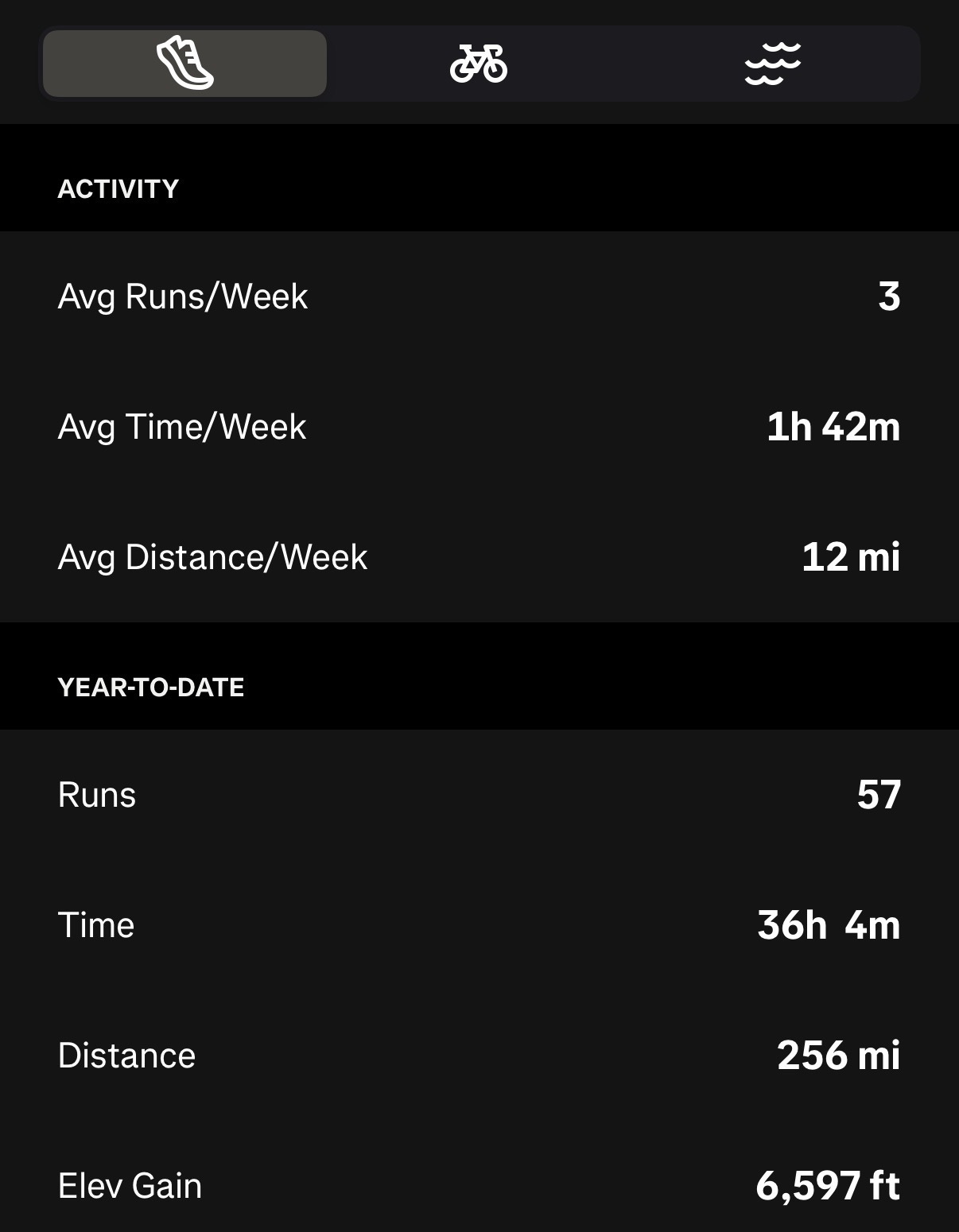
Now that my first race of the season is just weeks away, I’m increasing my volume and intensity, and am preparing to harvest the fruits of my labor.
As an endurance and performance coach, I’m often asked, “What’s the secret?” Sadly, there is none. There are no shortcuts in endurance.
Build your foundation, brick by brick. Do the boring, normal work, the kind that doesn’t get lots of kudos on Strava, for an abnormal period of time. Commit to the process week after week, month after month, year after year. Raising your long-term average is the game.
The bad news? It just takes time.
The good news? It just takes time.
Set weekly floors or minimums for yourself, and stick to them, so that when adventure calls, you don’t hesitate—you just go.
Nice job Holzy! 💖